PRP HAIR TREATMENT BLACKBURN DOCTOR LED CONSULTATIONS
WHAT IS PRP?
BOOK YOUR CONSULTATION TODAY AND LET'S BOOST YOUR BEAUTY IN EVERY POSSIBLE WAY!
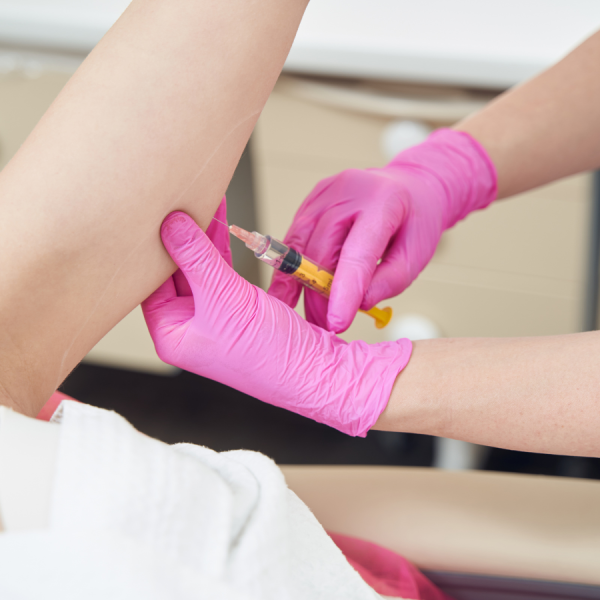
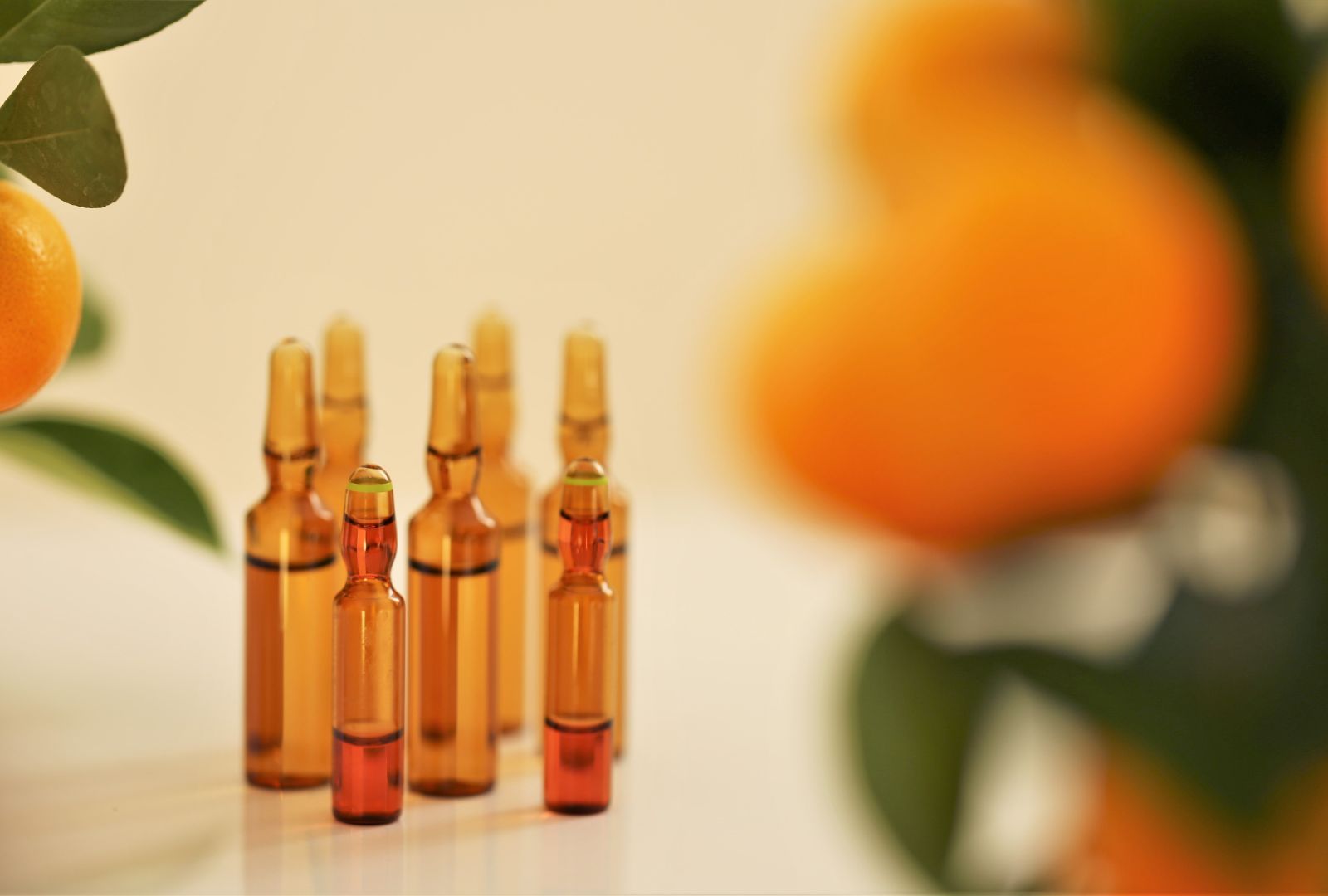
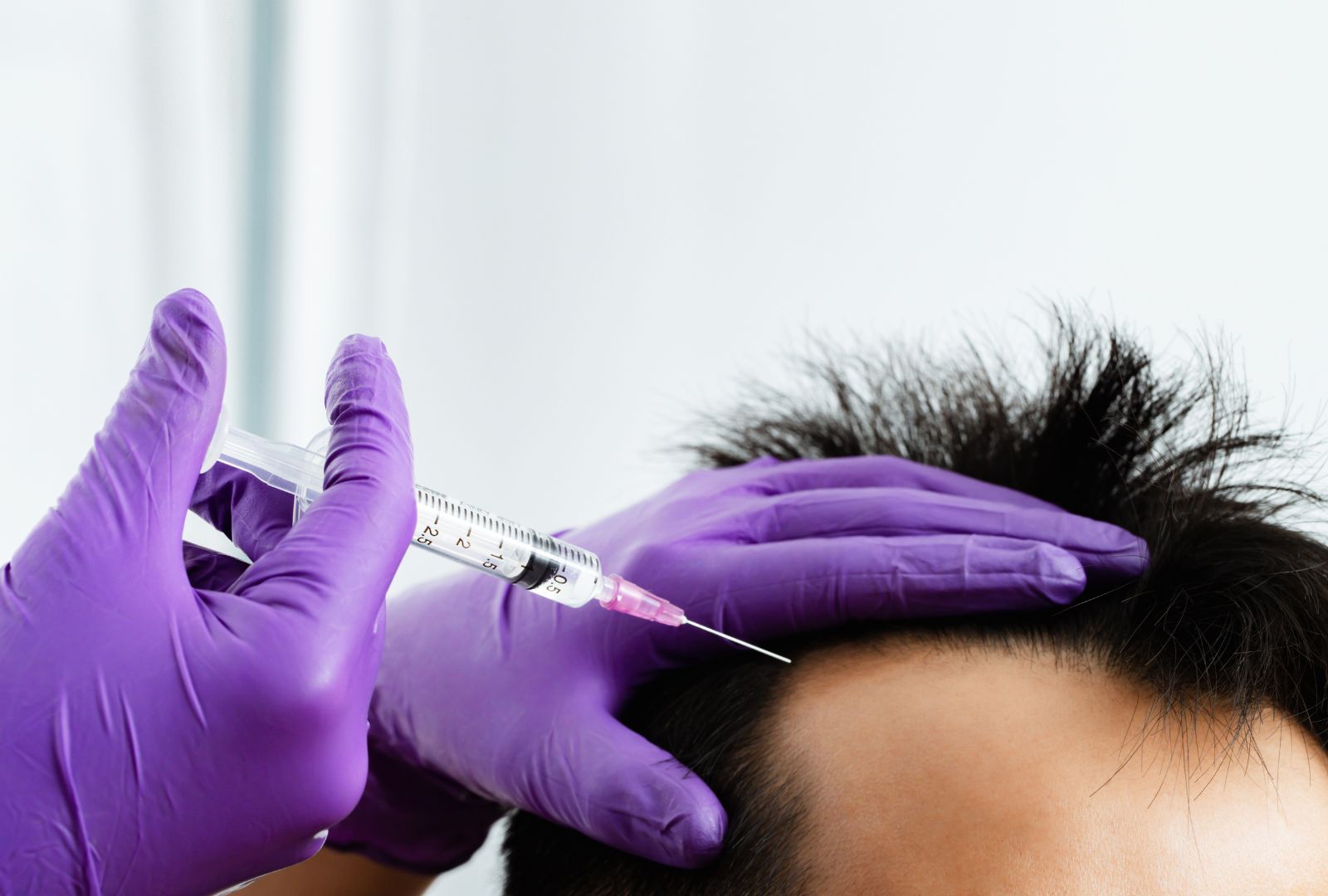
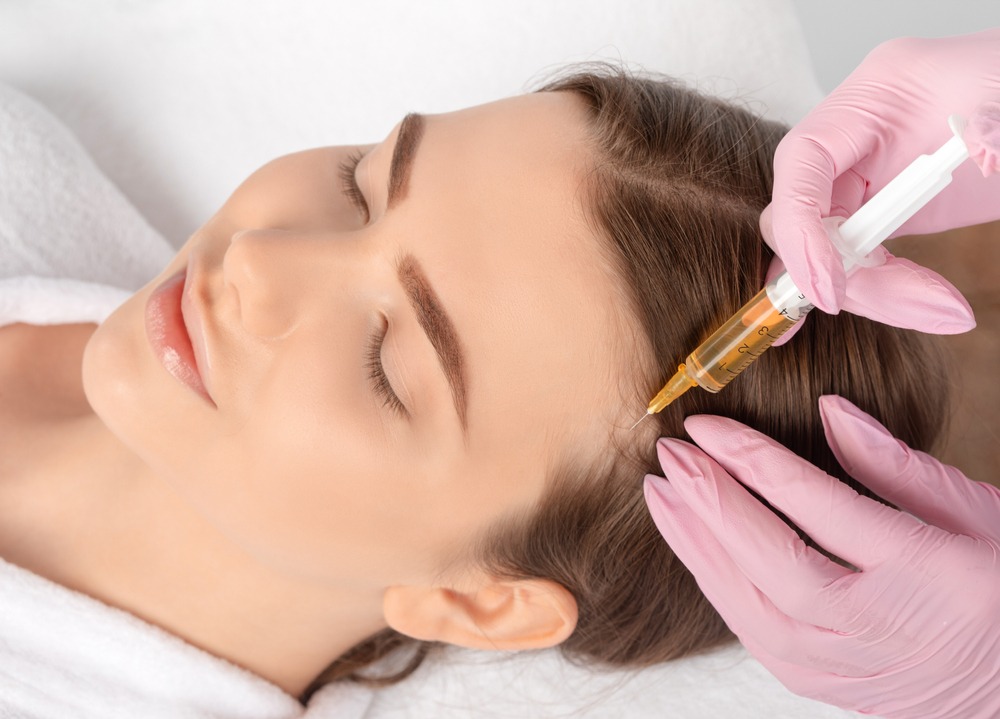
PRP stands for Platelet-Rich Plasma. The treatment uses a small sample of your own blood, which is processed in a centrifuge to separate and concentrate the platelet-rich component. The PRP is then delivered into targeted areas of the scalp to support existing hair follicles and promote a healthier environment for hair growth.
Platelets contain growth factors and signalling proteins involved in tissue repair and regeneration. When concentrated PRP is introduced into areas of hair thinning, these growth factors may help support follicle activity and improve hair density and growth in suitable patients. Research suggests PRP can be beneficial for androgenetic alopecia, although individual results vary and regrowth cannot be guaranteed.
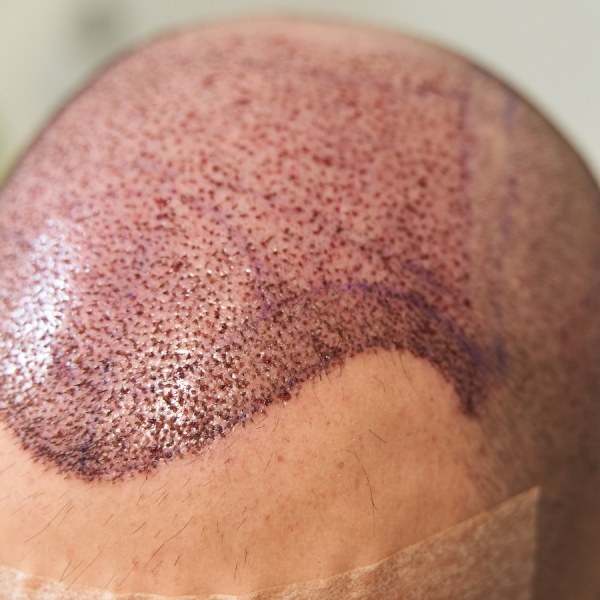
PRP is most commonly considered for male and female pattern hair loss (androgenetic alopecia) and areas of thinning where viable hair follicles are still present. It may also be considered as a supportive treatment following hair transplantation.
Sudden, unexplained or patchy hair loss may require further investigation before treatment because there are many different causes of hair loss.
PRP works by supporting existing hair follicles; it does not create new follicles. It is therefore generally more suitable for areas where hair is thinning or miniaturising than an area that has been completely bald for a prolonged period.
Where follicles are no longer viable, a hair transplant may be a more appropriate option.
The number of sessions varies according to the extent of hair loss and individual response. An initial course commonly involves approximately 3 treatments spaced several weeks apart, followed by maintenance treatment where appropriate.
Your treatment programme can be adjusted according to your response rather than using exactly the same schedule for every patient.
Hair grows slowly, so PRP results should be assessed over months rather than weeks. Some patients may initially notice reduced shedding or an improvement in hair quality before changes in density become apparent.
Results vary between individuals, and no PRP treatment can guarantee a particular amount of hair growth.
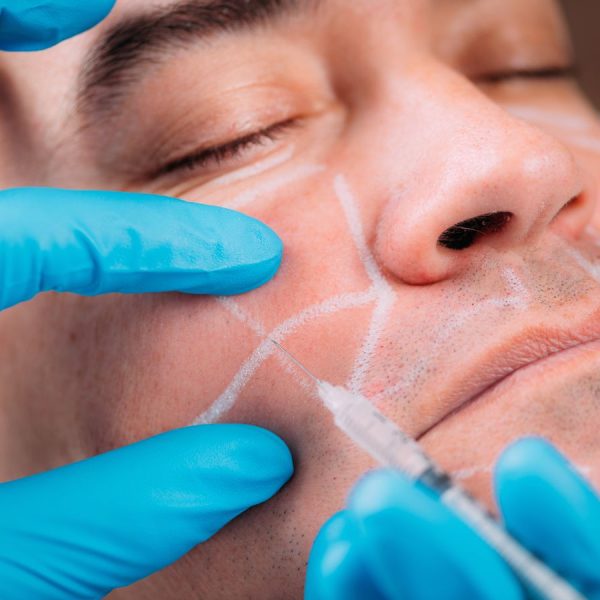
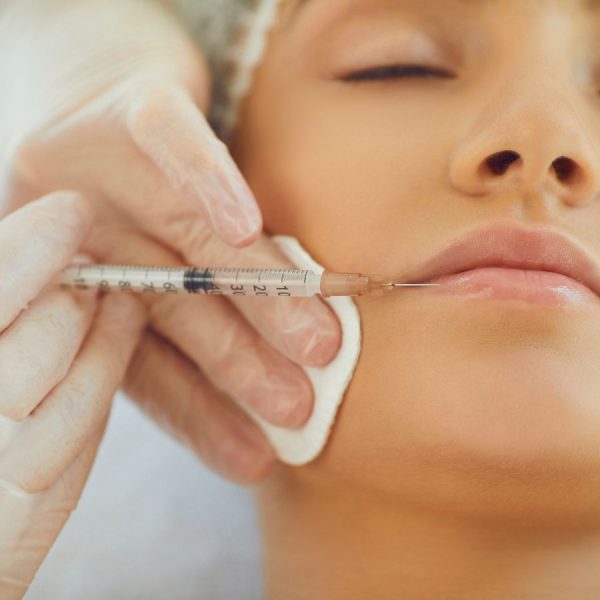
At East Park Healthcare, we use the U225 mesotherapy injector to deliver PRP into the scalp rather than relying solely on traditional manual injections. The U225 is a specialist precision injection system designed to deliver treatment rapidly and consistently at a controlled depth while minimising discomfort.
Its high-speed injection technique means that PRP treatment is virtually pain-free for many patients and can be considerably more comfortable than multiple conventional scalp injections.
The U225 also allows the practitioner to deliver PRP evenly across the targeted areas of the scalp with precise control over injection depth and dosage.
Downtime is generally minimal. Some patients experience temporary redness, tenderness, mild swelling or sensitivity around the treated areas.
You will be given appropriate aftercare instructions, but most people are able to return to their usual day-to-day activities relatively quickly.
PRP is prepared from your own blood, which reduces the risk of an allergic reaction to the injected material. However, PRP is still a medical procedure involving blood collection, processing and scalp injections.
Potential risks can include temporary pain, bruising, bleeding, swelling and infection, although serious complications are uncommon when treatment is performed using appropriate clinical and infection-control procedures.
Yes. PRP may be suitable for both male and female hair thinning, particularly androgenetic alopecia.
Female hair loss can also be associated with factors such as iron deficiency, thyroid problems, hormonal changes and nutritional deficiencies. Where appropriate, East Park Healthcare may recommend blood testing or further investigation to identify potential underlying causes alongside PRP treatment.
Yes, where clinically appropriate. PRP and prescription hair-loss treatments work through different mechanisms and may sometimes form part of a combined hair-restoration programme.
East Park Healthcare also provides a personalised prescription Hair Loss Serum, which can include ingredients such as minoxidil, dutasteride, azelaic acid and biotin, with the formulation and strengths tailored according to individual suitability.
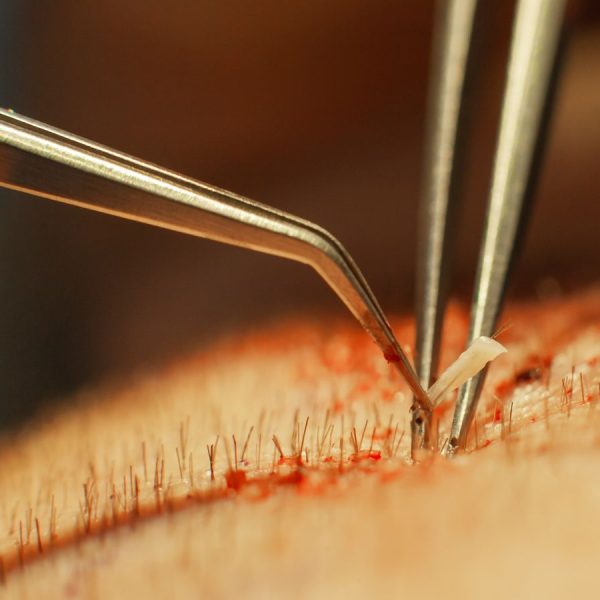
PRP is sometimes used as a supportive treatment around hair transplantation and may also form part of the longer-term management of the patient's existing, non-transplanted hair.
The appropriate timing of PRP following a hair transplant should be discussed with your hair-transplant surgeon.
PRF (Platelet-Rich Fibrin) is another regenerative treatment derived from the patient's own blood and is closely related to PRP. PRF is prepared differently, typically without an anticoagulant, allowing a natural fibrin matrix to form containing platelets and other cellular components.
PRF has attracted interest because its fibrin matrix may provide a more gradual release of growth factors. Early research into PRF for hair loss is promising; however, there is currently insufficient evidence to conclude that PRF is more effective than PRP for hair loss. PRP currently has a larger body of clinical research supporting its use for androgenetic alopecia.
PRP and PRF are autologous treatments, meaning they are prepared using the patient's own blood. PRP produces platelet-rich plasma, while PRF uses a different preparation method that creates a fibrin-rich matrix.
Exosome-based hair treatments are different because they use externally prepared regenerative products rather than material obtained from the patient's own blood. Each approach has different evidence, characteristics and potential uses, so treatment should be selected according to the individual rather than assuming the newest option is automatically the best.
PRP does not permanently cure genetic pattern hair loss. Androgenetic alopecia is a progressive condition, so maintenance PRP and/or medical hair-loss treatment may be recommended to help maintain improvements.
The frequency of maintenance treatment varies according to the individual and their response.
East Park Healthcare provides PRP hair restoration from our Blackburn and Bury clinics, serving patients across Lancashire and Greater Manchester.
Our wider hair-restoration service includes personalised prescription hair-loss treatment, regenerative scalp treatments, hair-transplant assessment and hair-transplant procedures through our experienced partner surgeon.