Vitamin D Injection Blackburn
Vitamin D Injections in Blackburn – Medical Consultation Required
WHAT IS VITAMIN D?
Vitamin D is a hormone produced in the skin when directly exposed to sunlight. It increases the body’s absorption of calcium and phosphorus. Unfortunately Vitamin D is broken down quickly in the body and stores can remain low especially in the short dark winter months of the UK causing a deficiency.
Vitamin D has multiple roles in the body, essential for both skeletal and non skeletal health.
Keeping your Vitamin D levels topped up reduces the risk of :
● Fractures
● Osteoporosis.
● Cancers, (breast prostate colon)
● Infections such as the flu
● Autoimmune diseases (Parkinsons)
● Dementia
● Cardiovascular disease – (high blood pressure, heart disease)
● Diabetes mellitus.
Symptoms of vitamin D deficiency include:
● Regular infections
● Fatigue
● Bone pain
● Back pain
● Low mood
● Impaired healing
● Hair loss
● Muscle pain
● Fractures
● Weight gain
● Digestive problems
● Skin disorders
Sources Of Vitamin D:
● Sunlight
● Fish
● Egg yolk
● Cheese
● Liver
● The elderly.
● People with darker skin.
● People with reduced sun exposure, those that spend a lot of time indoors.
● Those that cover large proportions of their body.
● Pregnant and breastfeeding women.
● People with Bowel disease e.g Coeliac, Crohn’s disease
● Those on medication such as Carbimazole, phenytoin.
Vitamin D is administered as an intramuscular injection saving an individual having to remember to take oral tablets on a daily basis to achieve the recommended levels of vitamin D needed for optimum health.
● Mushrooms
● Fortified milk & cereals
It is difficult to get enough vitamin D from our diet or sunlight exposure alone. The UK government advice is that everyone should take a daily vitamin D supplement.
Vitamin D deficiency is common in all age groups, with a high prevalence especially in the Black and Asian population.
Certain groups are more at risk:
BOOK YOUR CONSULTATION TODAY AND LET'S BOOST YOUR BEAUTY IN EVERY POSSIBLE WAY!
Vitamin D and Its Role in Bone Health, Immunity and Inflammation
It is needed in bone and mineral metabolism promoting healthy bones and teeth. Low levels of Vitamin D have been found to be linked to increased inflammation and Arthritis. Recent research has also shown a link between low levels of Vitamin D and severe complications from respiratory conditions such as Covid.
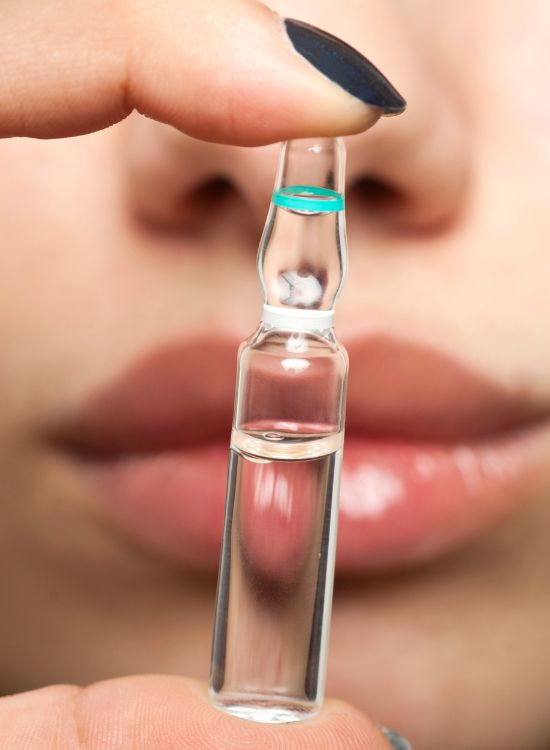
A Vitamin D injection delivers Vitamin D by intramuscular injection, bypassing the digestive system. Vitamin D is important for maintaining healthy bones, muscles and normal calcium metabolism. An injection may be considered in selected patients where Vitamin D replacement is required and oral supplementation is unsuitable or has not been effective.
Vitamin D deficiency does not always cause obvious symptoms. When symptoms occur, they can include tiredness, muscle weakness, muscle aches and bone pain. Severe or prolonged deficiency can contribute to osteomalacia, where bones become soft and painful. Because these symptoms can have many different causes, a blood test is the most reliable way to assess your Vitamin D level.
Vitamin D status is assessed using a blood test measuring 25-hydroxyvitamin D [25(OH)D], usually reported in nmol/L in the UK. Results should be interpreted alongside your medical history, symptoms and other relevant blood results. East Park Healthcare can arrange private Vitamin D blood testing where required.
UK guidance generally considers a serum 25(OH)D level below 25 nmol/L to indicate Vitamin D deficiency. Levels between 25 and 50 nmol/L may be considered insufficient in some people, particularly where other risk factors are present. Treatment should therefore be based on the overall clinical picture rather than a number in isolation.
Vitamin D deficiency can affect anyone, but risk is increased in people who have limited exposure to sunlight, spend much of their time indoors or cover most of their skin outdoors. People with darker skin, including those of South Asian, African and African-Caribbean backgrounds, are also at greater risk because higher levels of melanin reduce the skin's production of Vitamin D from sunlight.
Yes. In the UK, sunlight is generally not strong enough for the skin to produce sufficient Vitamin D during the autumn and winter months. The NHS therefore recommends that adults and children over four consider taking 10 micrograms (400 IU) of Vitamin D daily during autumn and winter. People at higher risk of deficiency may be advised to supplement throughout the year.
Not necessarily. Oral Vitamin D supplements are suitable for most people and are generally the first approach to preventing or treating deficiency. An intramuscular Vitamin D injection may be considered in selected circumstances, for example where oral treatment is unsuitable, absorption is a concern or adherence to oral treatment is difficult. The most appropriate option depends on the individual.
The injection begins providing Vitamin D to the body after administration, but correcting a deficiency and noticing an improvement in symptoms can take time. Response varies according to the severity of deficiency, the dose administered and the underlying reason for the low Vitamin D level. Follow-up blood testing may be appropriate to assess the response to treatment.
Yes. Excessive Vitamin D can cause hypercalcaemia, where calcium levels in the blood become too high. This can cause symptoms including nausea, weakness, excessive thirst and frequent urination and, in severe cases, can affect the kidneys and other organs. Vitamin D injections and high-dose supplementation should therefore be used appropriately rather than taken unnecessarily.
We recommend establishing your Vitamin D status before high-dose replacement, particularly where deficiency is suspected or an injection is being considered. A Vitamin D blood test allows treatment to be based on your actual level and can also help determine whether further investigation or follow-up testing is appropriate.
East Park Healthcare provides private Vitamin D blood testing and Vitamin D injections in Blackburn. Our clinic is located at First Floor, 67 East Park Road, Blackburn, BB1 8DW. Where appropriate, we can test your Vitamin D level, review your results and discuss suitable Vitamin D replacement.